
 EN
EN



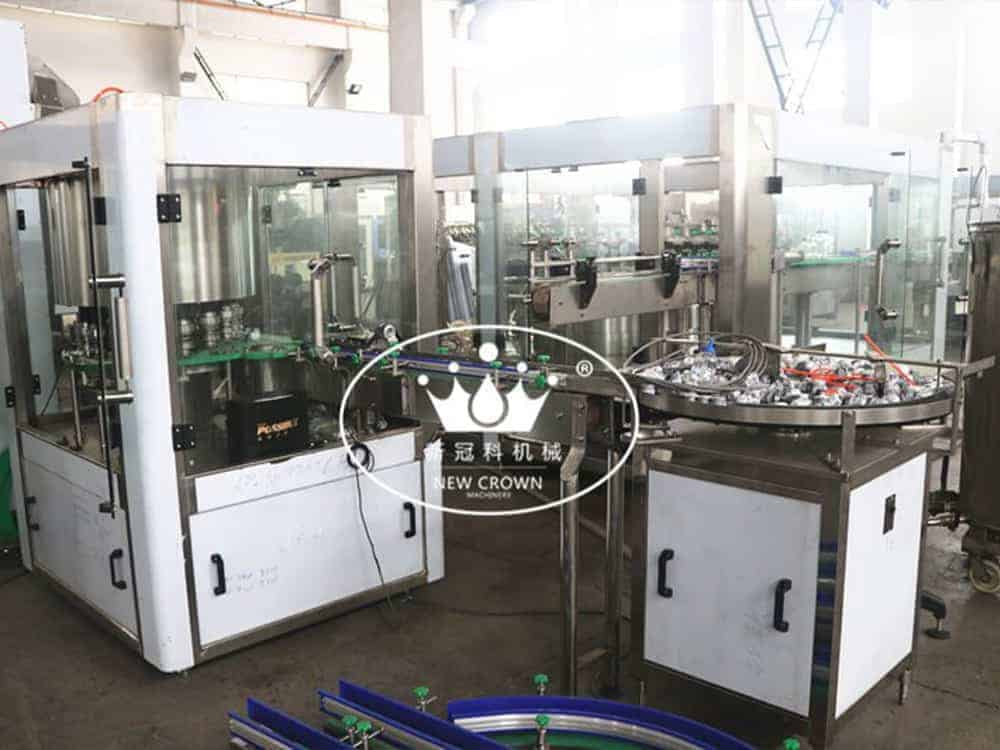
How Blowing Filling Capping Integration Works in BFS Technology
Blow-fill-seal or BFS technology combines three steps all in one go container making, filling with product, and creating an air tight seal everything happens automatically without needing those pre made bottles we usually see. The whole setup works really well for companies in pharma and food industries who want to create sterile packaging that's also light weight. Production rates can hit around 24 thousand units each hour, which is pretty impressive when looking at how much faster this is than older methods. Plus there's something else worth noting contamination risks drop down to just 3% according to recent studies from PharmaTech Journal last year. That kind of improvement makes a big difference in quality control across manufacturing facilities.
Understanding blow-fill-seal (BFS) technology and the one-step process
BFS machines take plastic granules and shape them into containers, then fill those with liquid before sealing everything inside an ISO Class 5 cleanroom. The whole operation takes just around 12 seconds flat. First comes the polymer extrusion stage where temperatures hit between 200 and 240 degrees Celsius. After that, they use compressed air at about 6 to 8 bars for the blow molding part. What makes these systems so effective is their closed loop design which keeps contamination risks extremely low. According to latest data from the Aseptic Packaging Report released in 2024, these processes reach nearly perfect sterility rates of 99.98%. That's pretty impressive when considering how little direct human contact there actually is during production.
| Process Stage | BFS Technology | Traditional Methods |
|---|---|---|
| Container Formation | In-machine molding from raw granules | Pre-formed containers |
| Filling | Sterile in-line filling | Separate cleanroom required |
| Sealing | Immediate hermetic closure | Offline capping |
Container formation, filling, and sealing in a continuous, integrated system
Advanced blowing filling capping machines use servo-controlled parison programming to create bottles with wall thicknesses as low as 0.3mm. Containers move through five stations: extrusion, molding, filling, sealing, and ejection within a single stainless steel chamber. This uninterrupted workflow reduces energy consumption by 35% compared to batch processing (Packaging World 2023).
Role of plastic polymer processing in lightweight bottle production
When it comes to blow fill seal (BFS) applications, high density polyethylene (HDPE) and polypropylene (PP) stand out because they have just the right melt flow characteristics, typically around MFI 15 to 25 grams per 10 minutes. What makes these plastics so attractive? Well, they can cut down on weight by about 60% compared to traditional glass containers. And despite being lighter, they still offer impressive protection from oxygen and moisture. We're talking less than half a cubic centimeter of oxygen permeation per square meter per day, and under 0.3 grams of moisture vapor transmission daily. This kind of performance keeps sensitive products stable during storage and transport without compromising quality.
Key components of a blowing filling capping machine and their functions
- Twin-screw extruder: Melts polymers with ±1°C temperature precision
- Parison programmer: Controls molten plastic distribution for uniform wall thickness
- Blow mold: Shapes containers using 10–12 bar air pressure
- Rotary filler: Dispenses liquids with ±0.5% volumetric accuracy
- Cap vibratory bowl: Orients closures at 200–300 units/minute
Modern systems integrate these components with Industry 4.0 sensors that monitor melt temperature, fill volume, and seal integrity in real time, enhancing process control and compliance.
Aseptic Precision and Sterile Container Manufacturing in a Single System
Achieving sterile container production with blowing filling capping systems
Blister forming systems (BFS) bring together three key steps all in one go container creation, filling, and sealing everything happens automatically without needing people to step in at crucial points. Traditional approaches need containers that have been sterilized beforehand plus special areas for filling, but BFS works differently. The process pushes hot polymer straight into clean molds right there in ISO Class 5 environments, followed almost instantly by filling and sealing operations. What makes this method so effective is how it cuts down on contamination problems. Studies show around an 85 percent reduction when compared to those old fashioned multiple step processes. That's why many manufacturers are switching over these days.
Machine design features ensuring aseptic conditions in BFS
Sterility is maintained through key engineering controls:
- HEPA-filtered air showers that purge molds before filling
- Sterilize-In-Place (SIP) nozzles sanitized at 121°C
- Vision-guided rejection of defective units
Hermetic seals achieve <0.1% leak rates via pressurized capping dies matched precisely to container geometry—essential for oxygen-sensitive drugs. Advanced systems also incorporate microbiological isolators with double-door pass-throughs to isolate sterile zones from operators.
BFS vs. traditional sterile methods: Advantages in contamination control
Old fashioned aseptic production lines need each container, closure, and piece of equipment sterilized individually, which naturally raises the chances something gets contaminated when moving things around. The BFS method cuts down on this problem big time. According to PDA Technical Report 88, it actually removes 12 out of those 16 known contamination spots by integrating everything into one streamlined process. Pharma companies have noticed this makes a real difference too. They're seeing about 40 percent fewer issues with sterility compared to traditional vial filling setups. This matters a lot especially for injectable products that just can't be sterilized at the end of production like regular medications can.
Automation, Speed, and Scalability in Industrial BFS Production
High-speed automation in blowing filling capping machines
Today's BFS systems form containers, fill them aseptically, and seal everything together in about 5 to 7 seconds flat. The servo driven actuators keep things spot on with accuracy down to 0.1 mm, which means these machines can crank out over 24 thousand units each hour while still keeping everything sterile. For vaccine manufacturers this kind of automation really matters because when there's an outbreak situation, every minute counts. Faster production combined with tight control over contaminants makes all the difference in how quickly public health authorities can respond to emerging threats.
Industrial-scale output benchmarks and production capacity
The best BFS production lines can handle well over 300 million containers each year, and how scalable these operations are really depends on how mature their automation systems have become. According to recent data from the 2024 Flexible Manufacturing Analysis, plants that run completely integrated systems get up and running about 40 percent quicker than those mixing old and new technologies. What's even more impressive is that fully automated production lines maintain around 98.6% uptime, which beats the 89.2% average for facilities still relying partly on manual processes. This kind of reliability makes all the difference when manufacturers need to keep up with demand for critical therapeutic products.
Market trend: Demand for faster blowing filling capping cycles
To meet global vaccine targets, pharmaceutical companies now seek cycle times under 4 seconds, driving a 35% annual increase in high-speed BFS adoption (PharmaTech 2023). This shift aligns with WHO recommendations for pandemic-ready infrastructure capable of producing 1 billion doses within six months of pathogen identification.
Integration with smart manufacturing and Industry 4.0 standards
The latest BFS platforms now come equipped with those IIoT sensors that keep an eye on particulates and check how good the seals are holding up, sending all this info straight to the central MES system. What's really interesting is how these machine learning algorithms crunch through performance data to spot when maintenance might be needed as far ahead as three days out. This kind of predictive capability has helped cut down unexpected shutdowns by nearly 60%, which makes a huge difference in production schedules. Plus it helps manufacturers stay on track with those strict FDA requirements under 21 CFR Part 11 regarding data integrity throughout the whole process.
Cost Efficiency and Operational Benefits of BFS Packaging Systems
Reduced Operational Costs Through Automation and Cleanroom Efficiency
BFS systems reduce labor costs by 40–60% compared to traditional multi-stage lines (PharmaTech Journal, 2023). Their closed design removes the need for separate cleanrooms for container sterilization, lowering energy use by up to 35% while maintaining ISO 14644-1 Class 5 standards. Fewer personnel and simplified facility layouts further reduce operational overhead.
Comparison With Glass Vials and Preformed Container Packaging Methods
BFS cuts material waste by 92% compared to glass vial production, which suffers 15–20% breakage losses. Unlike preformed plastic containers requiring separate sterilization and handling, BFS avoids secondary processing steps that account for 25% of conventional packaging costs. The elimination of depyrogenation tunnels and stoppering equipment also reduces capital and maintenance expenses.
Data Insight: Up to 30% Lower Costs in BFS vs. Conventional Lines
A 2023 lifecycle analysis found BFS delivers 28–32% lower total cost per unit than glass vial lines, with 65% of savings coming from reduced energy use and eliminated secondary packaging. These benefits compound at scale, with facilities producing over 50 million units annually achieving ROI within 18 months.
BFS Technology Driving Pharmaceutical Packaging Innovation
Applications of Blowing Filling Capping in Pharmaceutical Packaging
BFS is now used by 68% of pharmaceutical manufacturers for sterile unit-dose packaging (2024 Pharmaceutical Packaging Report). Its integrated process supports:
- Precision dosing: ±1% volume accuracy for injectables and oral suspensions
- Broad compatibility: Safe handling of biologics, vaccines, and oxygen-sensitive solutions via climate-controlled systems
- Flexible formats: Production of bottles, ampoules, and vials ranging from 0.5mL to 1L
Recent advancements enable respiratory therapies to be packaged with <0.01% particulate contamination, meeting USP <797> standards for critical care applications.
Case Study: Sterile Manufacturing Advancements in BFS
A 2025 U.S. government-funded initiative demonstrated BFS’s potential to cut vaccine production costs by 34% while matching ISO Class 5 sterility standards. Results showed:
| Metric | Traditional Lines | BFS Implementation |
|---|---|---|
| Production speed | 12,000 units/hr | 28,000 units/hr |
| Sterility failure rate | 0.15% | 0.02% |
| Energy consumption | 18 kWh/1k units | 9 kWh/1k units |
The project achieved 99.8% first-pass quality validation using real-time vision inspection synchronized with filling nozzles.
Future of Drug Delivery: Lightweight, Sustainable Bottles via BFS
Manufacturers are adopting BFS for 100% recyclable containers that use 42% less plastic than conventional packaging (2026 Sustainable Pharma Forecast). Emerging innovations include:
- Bio-based polymers: PLA compounds offering 6-month shelf life for biologics
- Smart packaging: In-mold RFID tags for tracking temperature-sensitive shipments
- Multi-layer extrusion: Barrier containers preserving mRNA vaccine integrity at -70°C
These advances position BFS as a cornerstone of carbon-neutral pharmaceutical production, with lifecycle assessments showing 58% lower emissions than glass vial supply chains.
FAQ
What is BFS technology?
BFS (Blow-Fill-Seal) technology is an advanced manufacturing process that integrates container formation, filling, and sealing in a single step to produce sterile packaging.
How does BFS technology improve sterilization?
BFS technology minimizes contamination risks by eliminating the need for pre-formed containers, instead using a closed-loop system within ISO Class 5 environments for container creation and filling.
What materials are used in BFS for container production?
High Density Polyethylene (HDPE) and Polypropylene (PP) are commonly used in BFS for their favorable melt flow characteristics, lightweight nature, and protective qualities against oxygen and moisture.
What are the benefits of using BFS over traditional methods?
BFS offers reduced contamination risks, lower operational costs, faster production rates, and improved scalability compared to traditional aseptic filling and capping methods.
Table of Contents
- How Blowing Filling Capping Integration Works in BFS Technology
- Aseptic Precision and Sterile Container Manufacturing in a Single System
- Automation, Speed, and Scalability in Industrial BFS Production
- Cost Efficiency and Operational Benefits of BFS Packaging Systems
- BFS Technology Driving Pharmaceutical Packaging Innovation
- FAQ