
 EN
EN



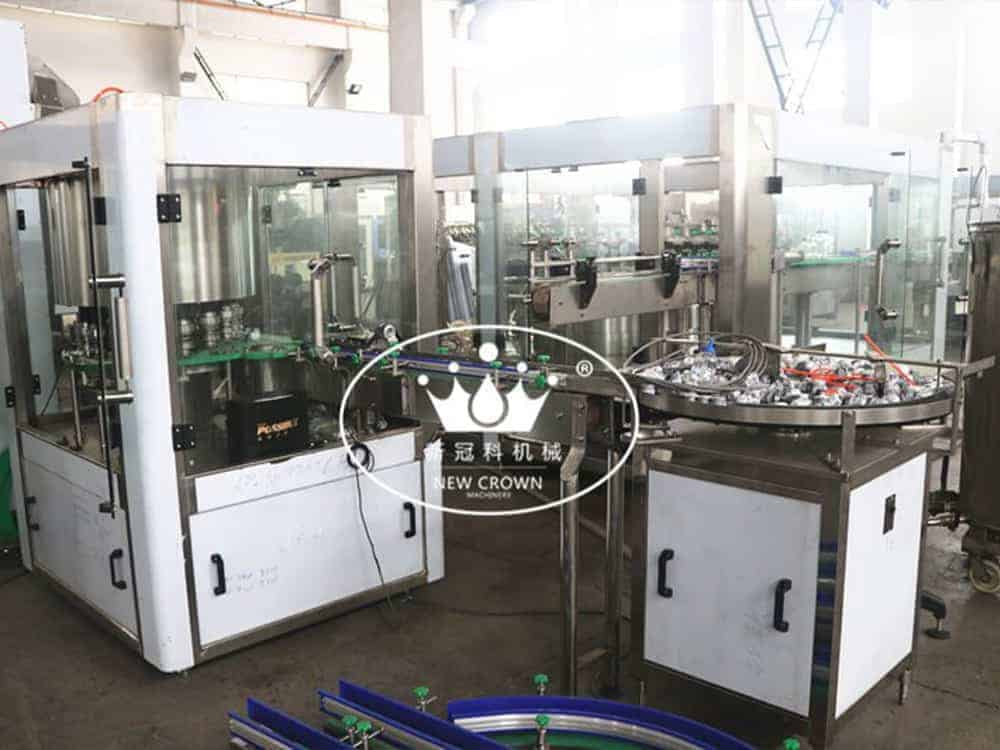
Understanding Blowing Filling Capping Technology and Aseptic Packaging
The Evolution of Blow-Fill-Seal (BFS) Technology in Food and Beverage Packaging
The blow-fill-seal (BFS) method revolutionized how liquids get packaged back when it first appeared around the mid 1960s. According to research from Ponemon in 2023, this tech cuts down on contamination problems by about 92 percent compared with what people used to do manually. What started as something specifically made for medicine manufacturing has evolved into today's BFS machines that handle creating, filling, then sealing all within a single automatic run. Since there's no need for hands touching those sterile packages anymore, these systems work great for things that require extra care such as milk drinks or nutritional supplements in liquid form.
How BFS Systems Streamline Blowing Filling Capping Processes
Integrated BFS machines perform three critical stages in a single sterile environment:
- Blowing: Food-grade polymers are molded into containers at 160–200°C
- Filling: Precision nozzles dispense liquid within ±0.5% volume accuracy
- Capping: Laser-guided sealing ensures airtight integrity
This end-to-end automation reduces changeover times by 40% while maintaining ISO 14644-1 Class 5 air purity standards. A 2024 Beverage Packaging Report confirms BFS lines achieve 99.98% sterility assurance levels (SAL), critical for extending shelf life without preservatives.
Core Principles of Aseptic Packaging in Liquid Food and Beverage Containers
Aseptic packaging relies on four sterility barriers:
- Material sterilization via hydrogen peroxide vapor or UV light
- Environment control through HEPA-filtered laminar airflow
- Container integrity testing with 100% leak detection
- Process validation using biological indicators
Recent advancements enable cold-filling of pH-sensitive juices at 4°C while maintaining commercial sterility. This method preserves 15% more nutrients than traditional hot-fill techniques, according to 2023 food safety data.
| Parameter | Traditional Packaging | BFS Aseptic Systems | Improvement |
|---|---|---|---|
| Contamination Risk | 1.2% | 0.02% | 60x reduction |
| Energy Consumption | 85 kWh/1k units | 62 kWh/1k units | 27% savings |
| Shelf Life Extension | 3–6 months | 9–18 months | 200% increase |
Key Components and Automation in High-Performance Blowing Filling Capping Systems
Integrated Automation in Filling and Sealing Systems for Precision Control
Today's blowing filling capping systems bring together PLCs, robotic components, and HMIs to deliver impressive fill accuracy around 0.1% even at top production speeds. The central control system cuts down on time wasted switching between products, often saving about 25-30% during changeovers thanks to pre-programmed settings for different containers and liquid types. What makes these setups really work well is how they coordinate the blowing molds with precision filling heads and properly adjusted capping mechanisms. This coordination helps cut down on wasted product and keeps seal failures extremely low, typically below 0.05%. Manufacturers across industries from food packaging to pharmaceuticals have found these integrated systems invaluable for both quality control and operational efficiency.
Role of Rotary and Shuttle BFS Machine Types in High-Speed Production
The rotary blow-fill-seal or BFS machines are basically everywhere in high volume operations such as bottled water production, where they can crank out around 48 thousand units every hour thanks to their non-stop motion process. For smaller runs or specialty items though, shuttle type systems have their place because they let producers switch formats from vials to bottles within just fifteen minutes flat. A lot of top companies are actually combining both approaches these days. According to recent data from the 2023 Packaging Automation Report, when manufacturers merge different machine types into one system, overall equipment effectiveness jumps by nearly 20 percent compared to running separate machines alone. This kind of hybrid setup is becoming increasingly popular across the industry.
Sensors, Robotics, and Real-Time Monitoring in Automated Solutions
The latest BFC production lines now use infrared sensors to catch those pesky microparticles that get into containers during the blowing process. At the same time, robotic arms guided by computer vision fix cap alignment issues pretty fast actually around 160 caps per minute. These systems are making a real difference in quality control. For instance, real time torque monitoring helps stop both too loose and too tight closures which is a big deal for dairy products where recalls can be catastrophic. One major plant reported their recall risk dropped by about 34% after implementing this tech. And let's not forget about maintenance either. Smart algorithms look at how servo motors vibrate and predict when parts might fail. This approach has cut unexpected downtime by roughly 22% each year at one top manufacturer's BFS line, saving them tons of money and headaches.
Maximizing Production Efficiency and Throughput Capacity
Optimizing Throughput With Modular Blowing Filling Capping Designs
Modular blowing filling capping systems let manufacturers boost their output by around 12 to 18 percent when compared to traditional fixed setup lines because they can switch formats so quickly. According to research from the Manufacturing Technology Institute back in 2023, these modular BFS setups cut down on production stoppages by about 23%. That happens mainly because components are standardized and adjustments don't require tools anymore. What makes these systems really valuable is their ability to handle different container sizes all at once thanks to those swap-out molds. For companies dealing with lots of varying products in beverage packaging, this capability helps prevent those frustrating slowdowns that happen when switching between product types.
Case Study: High-Volume Production Using Advanced BFS Line
One major Chinese company recently rolled out a cutting edge BFS production line equipped with real time viscosity checks and manages to regulate mold temperatures 45 percent quicker than before. The system consistently produces around 50 thousand units per hour, keeping overfill rates below half a percent for those 250ml to 1 liter PET bottles they make. Getting smart with AI based predictive maintenance cut down unexpected stoppages by about a third when compared to older methods according to what Packaging World wrote in their 2022 report on automation standards. Pretty impressive stuff for anyone looking at manufacturing efficiency these days.
Measuring OEE (Overall Equipment Effectiveness) in Blowing Filling Capping Operations
Modern OEE tracking in BFS operations combines three critical metrics:
| Component | Target | Industry Average (Food/Beverage) |
|---|---|---|
| Availability | ≥92% | 85% |
| Performance Rate | ≥95% | 88% |
| Quality Rate | ≥99.5% | 97.3% |
Real-time OEE dashboards help plants identify chronic inefficiencies, with top performers achieving 19% higher scores than industry benchmarks through automated blow-mold pressure compensation and fill-volume verification systems.
Balancing Speed and Sterility in Aseptic Packaging Environments
The latest BFS machines can create ISPM 15 compliant sterile conditions much faster than before, cutting purge cycles down by around 35%. They accomplish this through HEPA filtered air laminar flow tech which creates cleaner environments. According to a recent 2023 FDA audit, these new blowing filling capping systems equipped with built-in vision inspection have actually cut contamination problems by about 34%. What's interesting is they do all this while running approximately 2.8% faster than older models. This shows that getting things done quickly doesn't necessarily mean compromising on sterility standards when it comes to food grade packaging applications.
Scalability, Flexibility, and Future-Proofing Packaging Lines
Modular and Scalable Packaging Solutions for Evolving Market Demands
The latest generation of blowing, filling, and capping equipment is moving toward modular designs that cut down on retooling expenses by about 40% whenever companies need to switch production formats, according to McKinsey's research last year. Big name producers are focusing their efforts on components that can be swapped out easily these days. Think about those bottle molds that fit different shapes, fill heads that adjust for various liquid types, and capping stations that handle multiple closure styles all at once. These flexible setups help factories keep up with the ever-changing product lineup we see today. Seasonal drinks come and go, while specialty nutrition products pop up everywhere. And let's not forget the numbers behind this trend either. The food and beverage industry has seen an astonishing 500% jump in how many different stock keeping units they manage since before the pandemic hit in 2020.
Adapting Blowing Filling Capping Systems for Different Container Sizes and Shapes
Advanced BFS machines achieve 15-second changeovers between container formats through quick-release clamps and AI-assisted mold recognition. High-precision servo motors maintain ±0.5 ml fill accuracy across 50ml–2L capacities, while vision-guided robotics adjust capping torque for materials ranging from lightweight PET to multilayer barrier plastics.
Reconfigurable BFS Units for Long-Term Scalability and Flexibility
Forward-looking operations integrate modular packaging systems that synchronize with upstream sterilization and downstream palletizing equipment. These systems leverage OPC-UA protocols for plug-and-play expansion, enabling manufacturers to incrementally add barrier-coating modules or automated quality gates without full line replacements.
Monolayer vs. Multilayer Containers in BFS Processes: Performance and Sustainability Trade-Offs
While multilayer containers extend shelf life by 30% compared to monolayer alternatives (Food Packaging Forum 2023), new mono-material solutions achieve 85% recyclability without compromising oxygen barrier properties. Strategic material selection now reduces lifecycle carbon footprints by 22% per container while maintaining compatibility with high-speed BFS processes.
Innovation and Sustainability Trends in Automated Blowing Filling Capping Equipment
Smart Manufacturing and IIoT Integration in Blowing Filling Capping Systems
The latest blowing, filling and capping systems are getting pretty smart these days, thanks to IIoT sensors that give manufacturers almost complete visibility across their production lines. A recent industry report from 2024 shows these advanced setups can track operations at around 99.8% accuracy. What makes them stand out is how they coordinate all three processes simultaneously container blowing, liquid filling, and cap sterilization too. This real time coordination cuts down unexpected stoppages by nearly 40% when compared with older machinery. Big name producers are investing heavily in connected rotary BFS machines now. These machines adjust themselves automatically depending on what's being processed, whether it's thick tomato sauce or fizzy soda drinks. The result? Changeover between different products takes about half as long as before, saving valuable production time.
AI-Driven Optimization and Predictive Maintenance in BFS Operations
Modern machine learning tools are looking at over 120 different factors across blowing, filling, and capping operations these days. They track everything from how stable the air pressure stays when making containers to whether caps get sealed with consistent torque. Some big results came out of a test run in China back in 2025 where smart maintenance based on AI cut down on seal problems by around two thirds. Plus, they saved quite a bit of energy too. What makes these systems work so well is their ability to compare past performance records against what's happening right now with vibrations throughout the machinery. This lets them plan maintenance periods long before something actually breaks down and causes production delays.
Sustainability in Food and Beverage Packaging: Lightweighting and Recyclability Advancements
Three key innovations are redefining sustainability in BFS packaging:
- Material Reduction: Advanced blow-molding techniques create containers with 22% thinner walls while maintaining structural integrity
- Closed-Loop Recycling: 93% of PET scraps from BFS processes are now immediately reprocessed into preforms
- Bio-Based Caps: Compostable capping materials decompose 80% faster than traditional plastics (ECHA 2024 Compliance Report)
A 2024 implementation of these methods reduced annual plastic waste by 740 metric tons per production line.
Regulatory Compliance and Safety Standards in Modern Liquid Packaging
The FDA along with EU Directive 2022/15 has made things tougher for manufacturers lately. They now need to validate sterilization parameters three times over for any blowing filling capping equipment used on those tricky low-acid food products. And let's not forget about the latest ISO 22000:2025 standards either. These demand constant documentation at every critical control point throughout production. Most modern BFS machines (around 92%) actually come with this built-in thanks to clever blockchain logging systems that track everything automatically. Smart companies are definitely looking for machines that can verify cap torque within tight margins - no more than 0.15 Nm difference allowed. Plus they want automatic contamination checks using those fancy hyperspectral imaging systems that spot problems before they become disasters.
FAQ
What is Blow-Fill-Seal (BFS) technology?
BFS technology is a method used in packaging that enables containers to be molded, filled, and sealed in a single automated process, significantly reducing contamination risks.
How does BFS technology benefit the food and beverage industry?
BFS technology reduces contamination, ensures sterility, extends the shelf life of products, and allows for more nutrient retention compared to traditional methods.
What are the key components of BFS aseptic systems?
The primary components include automated blowing, filling, capping processes, and systems to ensure sterility such as hydrogen peroxide vapor or UV light for sterilization, and HEPA-filtered airflow.
Why are modular BFS systems advantageous?
Modular BFS systems offer flexibility, allowing easy switching between different container formats and sizes, reducing production stoppages, and improving efficiency.
How do modern BFS systems contribute to sustainability?
Modern BFS systems contribute to sustainability through material reduction, closed-loop recycling of PET scraps, and the use of bio-based and compostable capping materials.
Table of Contents
- Understanding Blowing Filling Capping Technology and Aseptic Packaging
- Key Components and Automation in High-Performance Blowing Filling Capping Systems
- Maximizing Production Efficiency and Throughput Capacity
-
Scalability, Flexibility, and Future-Proofing Packaging Lines
- Modular and Scalable Packaging Solutions for Evolving Market Demands
- Adapting Blowing Filling Capping Systems for Different Container Sizes and Shapes
- Reconfigurable BFS Units for Long-Term Scalability and Flexibility
- Monolayer vs. Multilayer Containers in BFS Processes: Performance and Sustainability Trade-Offs
-
Innovation and Sustainability Trends in Automated Blowing Filling Capping Equipment
- Smart Manufacturing and IIoT Integration in Blowing Filling Capping Systems
- AI-Driven Optimization and Predictive Maintenance in BFS Operations
- Sustainability in Food and Beverage Packaging: Lightweighting and Recyclability Advancements
- Regulatory Compliance and Safety Standards in Modern Liquid Packaging
- FAQ