
 EN
EN



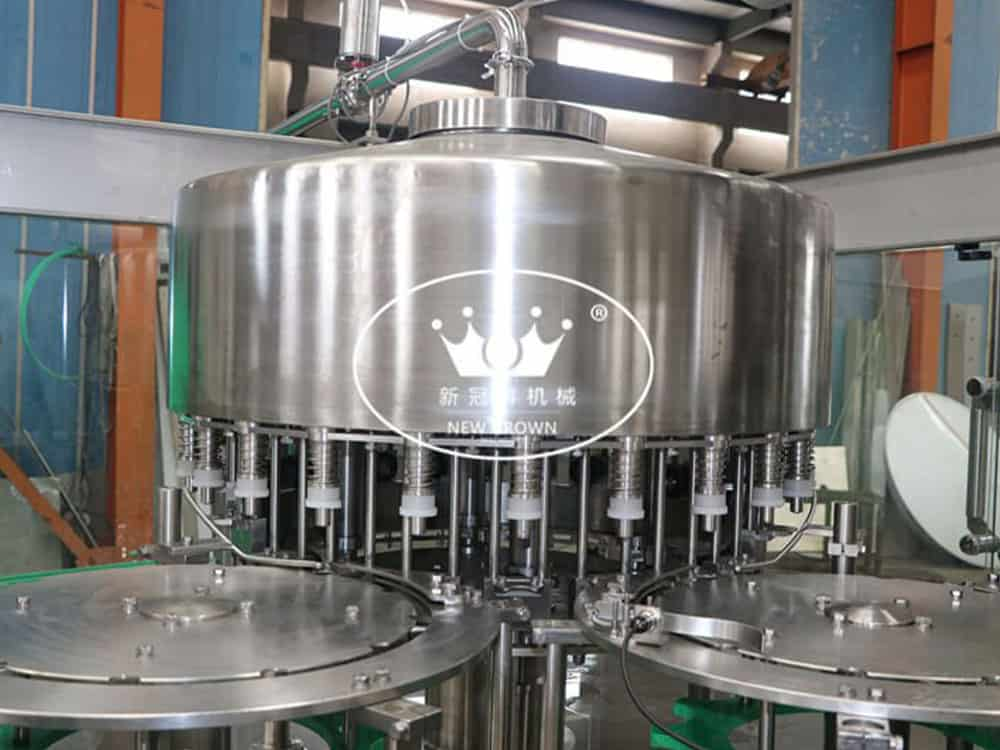
What is Aseptic Filling? Defining the Technology and Its Role in Contamination-Free Packaging
Aseptic filling represents an advanced method of packaging that keeps things like medicines, milk products, and drinks safe from bacteria and other microbes. What makes this different from regular packaging techniques? Well, the process actually sterilizes both the item being packaged and the container itself separately first, then brings them together in what's called a clean room environment. No need for those harsh chemical preservatives anymore. Products packed this way can last on shelves for around a year without going bad. That's why many companies producing delicate goods that travel across borders find this technique so valuable for maintaining quality during transport and storage.
How Aseptic Filling Works: Sterilization of Products, Containers, and Sterile Environmental Control
The process relies on three integrated sterilization steps:
- Product sterilization: High-temperature short-time (HTST) or ultra-high-temperature (UHT) treatment inactivates pathogens while preserving nutritional quality.
- Container sterilization: Hydrogen peroxide vapor or superheated steam decontaminates bottles, vials, or pouches without damaging materials.
- Environmental control: HEPA-filtered laminar airflow maintains ISO Class 5 cleanroom conditions (<3,520 particles ≥0.5μm/m³) during filling.
These measures reduce contamination risk by 99.999% compared to traditional systems, according to a 2023 IFSH study.
The Integrated Process: Filling, Sealing, and Maintaining Sterility Throughout Packaging
After going through the sterilization process, items get dispensed through specially designed nozzles which help reduce contact with air as much as possible. The containers are then sealed hermetically either by induction welding when dealing with glass vials or through ultrasonic methods for those plastic pouches. Throughout this whole process, real time sensors keep track of how accurately each container gets filled within a margin of plus or minus half a percent while also checking if the seals hold up properly. Any units that don't meet these standards get rejected automatically. What makes all this work so well is the fact that we have what's called a closed loop system running throughout everything from when materials first come into the facility right up until they leave in their final packages. This helps maintain strict control over any potential microbes at every step along the way.
Types of Aseptic Filling Machines and Their Applications
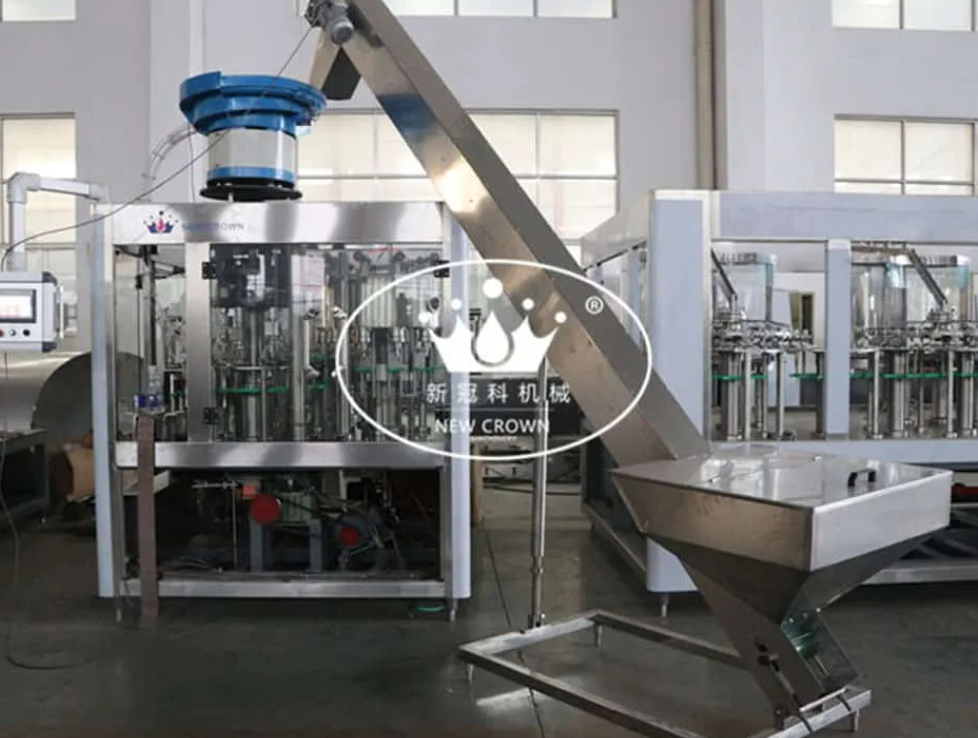
Aseptic Form-Fill-Seal (FFS) Machines: Complete Packaging Solutions for Liquids and Powders
FFS systems for aseptic packaging create sterile containers directly from roll stock material, then fill and seal everything in a single seamless operation. The food and drink industries rely heavily on these machines which can crank out around 40 thousand units each hour while keeping their environment clean enough to meet strict ISO standards. What makes them so valuable is their ability to work with all sorts of products including things as different as thick liquid soups, protein drinks, and even sensitive powdered formulas for babies that absorb moisture easily.
Liquid vs. Powder Aseptic Filling Machines: Matching Technology to Product Characteristics
Liquid systems use rotary piston fillers capable of handling viscosities from 1 cP (water-like) to 50,000 cP (creams), with volumetric accuracy within ±0.5%. For powders, auger or vacuum-assisted dosing manages particle sizes between 20μm and 3mm. Optimized hopper angles (≥60°) and anti-caking air injectors prevent bridging in cohesive powders such as protein isolates.
Cold Aseptic Filling vs. Hot Aseptic Filling: Preserving Quality with Temperature Control
Cold aseptic filling works at temperatures under 30 degrees Celsius, which helps keep probiotics intact along with those sensitive vitamins thanks to hydrogen peroxide vapor sterilization techniques. Hot filling on the other hand happens between about 75 to 95 degrees Celsius and works best for products that are naturally acidic, typically anything with a pH level below 4.5 since the heat itself helps clean the containers during processing. Looking at some recent research from the Institute of Food Technologists back in 2023, they discovered something interesting when comparing these methods. Green tea processed using cold fill maintained around 94 percent of its antioxidant content, whereas the same product made with hot fill only kept about 78 percent. That makes a real difference for manufacturers concerned about nutritional value preservation.
High-Speed and UHT Aseptic Filling Systems: Enhancing Throughput and Shelf Life
Ultra High Temperature processing at around 135 to 150 degrees Celsius for just 2 to 6 seconds works really well when combined with those fast spinning rotary fillers. This setup knocks out about 99.9 percent of microbes and lets products sit on store shelves for a whole year without needing refrigeration. The juice box production lines are pretty impressive too running upwards of 24 thousand packages per hour while keeping oxygen levels below 10 parts per billion which is super important for keeping all that vitamin C intact. Some recent improvements including those clean-in-place filler heads have cut down changeover time between different products by roughly 40 percent, making the whole production process much more efficient day to day.
Specialized Equipment: Aseptic Bag, Bottle, and Vial Filling Machines for Niche Applications
Bulk bag-in-box systems handle batches of 200–1,000L using gamma-irradiated pouches, ideal for industrial ingredients. Pharmaceutical vial fillers operate under Restricted Access Barrier Systems (RABS) in ISO 5 environments, achieving <0.1% particulate contamination. Steam sterilization tunnels in liquid egg processing eliminate 99.999% of salmonella, demonstrating robust pathogen control.
Ensuring Contamination-Free Packaging Through Advanced Sterilization and Design
Sterilization Mechanisms: Product, Packaging, and Environmental Microbial Control
Modern aseptic systems employ a three-layer defense:
- Product: UHT treatment (135–150°C) delivers a 5-log microbial reduction in 2–5 seconds.
- Packaging: H₂O₂ vapor combined with heat provides a 6-log reduction over 8–12 seconds.
- Environment: HEPA filtration maintains 99.99% airborne particle removal continuously.
| Sterilization Layer | Method | Effectiveness | Processing Time |
|---|---|---|---|
| Product | UHT (135–150°C) | 5-log reduction | 2–5 seconds |
| Packaging | H₂O₂ vapor + heat | 6-log reduction | 8–12 seconds |
| Environment | HEPA filtration | 99.99% efficiency | Continuous |
Together, these layers achieve commercial sterility, defined by FDA 21 CFR 113.3 as a ≤10⁻⁶ probability of microbial survival.
Cleanroom Integration and Hygiene Protocols in Modern Aseptic Filling Lines
ISO 14644-1 Class 5 compliance is maintained through:
- CIP systems using 1–2% NaOH at 80°C to remove biofilms
- Double-seal airlocks with positive pressure differentials (≥15 Pa)
- Robotic handling, which reduces contamination risks by 72% compared to manual operations
Operators follow ASTM F3050-16 gowning standards, with hourly surface swabs verifying microbial counts stay below 2.5 CFU/cm². Annual validation using Geobacillus stearothermophilus spores confirms sterilization efficacy across all components, enabling stable shelf lives of 6–24 months without refrigeration.
Key Advantages of Aseptic Filling Technology in B2B Production
Extended Shelf Life and Preservation of Nutritional Integrity Without Preservatives
When manufacturers sterilize equipment properly, they can fill dairy drinks and plant-based beverages without needing any preservatives, and these products still last between six and twelve months on store shelves. This method keeps most of the good stuff intact compared to old fashioned heat treatments. About ninety five to ninety eight percent of all the nutrients stay put, so things like taste and mouth feel don't get ruined. Take orange juice for instance cold filled versions actually hold onto around forty percent more vitamin C than those processed at high temperatures. People today really care about what goes into their food and drink, so seeing fewer ingredients listed on packaging makes them happy shoppers.
Energy Efficiency and Sustainability Benefits of Non-Thermal Processing
When products and their packaging are sterilized separately instead of together, energy usage drops between 30 to 50 percent compared to traditional methods like retort or hot-fill systems, as reported in the International Journal of Sustainable Manufacturing back in 2022. The closed loop cleaning process really helps cut down on water usage, and companies have found that going for lighter weight packaging materials can slash plastic waste by around 18 to 22 percent for each item produced. All these improvements align nicely with ESG objectives too. Many manufacturers actually saw their carbon footprints shrink by about 25 percent once they switched over to aseptic production lines, which makes sense when looking at all these efficiency gains across multiple areas of operation.
Case Study: Dairy and Beverage Producers Enabling Global Distribution via Aseptic Filling
A 2021 Food Engineering Report highlighted a dairy cooperative that expanded exports to 15 countries after adopting aseptic bag-in-box systems. Spoilage rates dropped from 8% to 0.5% during six-month sea shipments, maintaining USDA-grade protein quality. Similarly, a juice producer increased throughput by 35% using rotary aseptic fillers, saving $2.8M annually in refrigerated logistics.
Quality Assurance and Compliance in Aseptic Filling Systems
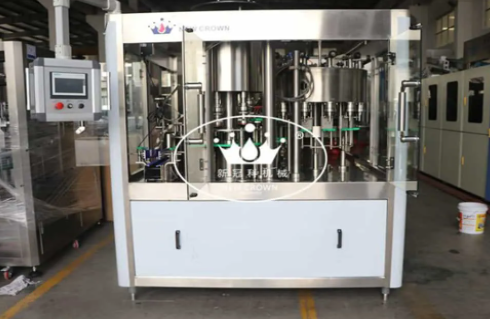
Real-Time Monitoring, Data Logging, and Process Validation for Consistent Performance
Modern aseptic production lines come equipped with real time sensors that monitor things like particulate matter down to about half a micrometer, pressure changes between 10 and 15 Pascals, and potential contamination spots while running at impressive speeds of around 30 thousand containers per hour. According to a recent report from Pharmaceutical Technology Insights in 2023, these systems cut defect rates dramatically when they run media fill tests and simulate worst case scenarios, bringing down errors to nearly nothing compared with old fashioned manual inspections. The system logs all this information continuously, so manufacturers can track exactly what happened if there's even a tiny deviation in fill volumes - something as small as 0.1%. This kind of detailed record keeping helps companies stay compliant with those tough FDA regulations (Part 211) and also meets requirements set out in ISO standard 14644-1 for cleanroom environments.
Meeting Regulatory Standards: FDA, EU GMP, and International Compliance Requirements
Aseptic filling must meet stringent global regulations:
- FDA: Requires sterilization-in-place (SIP) validation and annual requalification
- EU GMP: Mandates Grade A air quality and biannual environmental monitoring
- WHO Annex 3: Specifies container closure integrity testing (CCIT) for vaccines and biologics
Over 87% of regulatory agencies now align inspection criteria around particulate thresholds and operator hygiene. To meet updated ISO 13408-2 guidelines, manufacturers deploy closed robotics and single-use components to achieve sterility assurance levels (SAL) of ≤10⁻⁶.
FAQ Section
What is aseptic filling?
Aseptic filling is a process that involves sterilizing products and containers separately before packaging them together in a clean room environment to prevent microbial contamination and extend shelf life.
How does aseptic filling differ from traditional packaging?
Unlike traditional packaging, aseptic filling does not rely on chemical preservatives. Products are sterilized separately and processed in clean room conditions to reduce contamination risks significantly.
What are the benefits of using aseptic filling technology?
Aseptic filling technology offers benefits such as extended shelf life without preservatives, preservation of nutritional integrity, reduced energy usage, and minimized packaging waste, making it an environmentally sustainable choice.
What types of aseptic filling machines exist?
There are different types of aseptic filling machines, including form-fill-seal (FFS) systems, liquid vs. powder machines, and specialized equipment for bag, bottle, and vial filling.
What is the difference between cold and hot aseptic filling?
Cold aseptic filling occurs at temperatures below 30°C, preserving probiotics and sensitive vitamins, while hot filling takes place between 75 and 95°C, suitable for acidic products.
Table of Contents
- What is Aseptic Filling? Defining the Technology and Its Role in Contamination-Free Packaging
- How Aseptic Filling Works: Sterilization of Products, Containers, and Sterile Environmental Control
- The Integrated Process: Filling, Sealing, and Maintaining Sterility Throughout Packaging
-
Types of Aseptic Filling Machines and Their Applications
- Aseptic Form-Fill-Seal (FFS) Machines: Complete Packaging Solutions for Liquids and Powders
- Liquid vs. Powder Aseptic Filling Machines: Matching Technology to Product Characteristics
- Cold Aseptic Filling vs. Hot Aseptic Filling: Preserving Quality with Temperature Control
- High-Speed and UHT Aseptic Filling Systems: Enhancing Throughput and Shelf Life
- Specialized Equipment: Aseptic Bag, Bottle, and Vial Filling Machines for Niche Applications
- Ensuring Contamination-Free Packaging Through Advanced Sterilization and Design
- Key Advantages of Aseptic Filling Technology in B2B Production
- Extended Shelf Life and Preservation of Nutritional Integrity Without Preservatives
- Energy Efficiency and Sustainability Benefits of Non-Thermal Processing
- Case Study: Dairy and Beverage Producers Enabling Global Distribution via Aseptic Filling
- Quality Assurance and Compliance in Aseptic Filling Systems
- FAQ Section