
 EN
EN


Machine Adjustability and Its Impact on Blowing Filling Capping Efficiency
Understanding How Machine Adjustability Impacts Blowing Filling Capping Efficiency
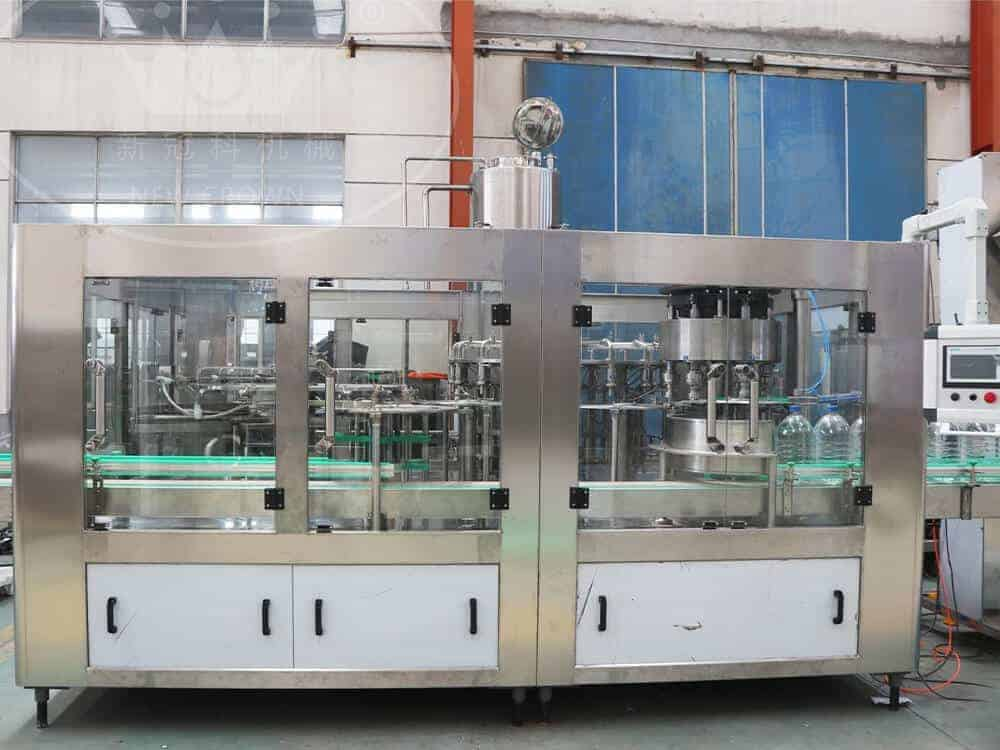
The latest adjustable blowing filling capping systems can cut down on downtime by around 30 to 50 percent when switching between different bottle formats, as shown in recent 2024 research on packaging efficiency. These machines feature servo driven rails that adjust to containers ranging anywhere from just 50 millimeters up to 350 millimeters tall. At the same time, they automatically compensate for bottle diameters spanning between 50 and 150 millimeters wide. What this means is that operators don't have to manually recalibrate the equipment for about 85% of all standard format changes. The result? Faster response times across production lines, which makes a big difference in day to day operations where every minute counts.
Using Power Height Adjustments and Measurement Guides for Precision Alignment
The tool free height adjustment system comes with built in laser guides that can get within half a millimeter accuracy on all three axes. When combined with motorized Z axis movement and those little optical sensors that detect bottle necks, the machine keeps filling levels spot on no matter what size container is being used. What this means for production lines is significantly less wasted product while still hitting target fill marks across different container shapes and sizes, and best of all it does all this automatically without needing someone to constantly monitor or adjust things manually.
Implementing Programmable Bottle Gating Systems for Quick Transitions
Bottle gates that can be programmed with preset settings cut down on format changes to around 7 minutes or less when everything is running smoothly. The systems handle adjustments to gate spacing automatically, going from as narrow as 60 mm all the way out to 220 mm. Pretty impressive considering they still manage to apply caps with nearly perfect accuracy even when things are moving fast on the line. There's also this batch recall feature that remembers up to 50 different bottle setups. This means factories don't have to waste time reprogramming equipment every time they switch products. For companies dealing with multiple product variations, this kind of flexibility makes a huge difference in keeping production flowing without constant interruptions.
Industry Benchmarks for Bottle Size Changeover Efficiency in Blowing Filling Capping Lines
The best performing production lines can switch between formats completely in less than ten minutes because they manage to get all twelve key settings right at once. According to industry benchmarks, getting the blow mold stations ready only takes around twenty seconds. Adjusting those filler nozzles up or down? That usually clocks in at about thirty five seconds give or take. And then there's updating the torque profiles on the capping heads which generally eats up forty five seconds or so. When everything works together like this, most plants hit around ninety percent ready to go status within just one minute after switching over. This kind of quick turnaround has become pretty much the gold standard for manufacturers dealing with lots of different product types day in and day out.
Recipe-Based Controls for Fast and Repeatable Changeovers in Blowing Filling Capping
How Recipe-Based Controls Streamline Bottle Filling Machine Adjustments
When it comes to recipe based controls, they handle all those important settings like how much gets filled into each container from 50ml right up to 2 liters, set the speed at which bottles move along the line between 10 and 150 per minute, and determine when each specific bottle type should be positioned correctly. Recent tests in 2024 showed something pretty impressive actually these automated systems cut down the time needed to switch between different production runs by almost half compared with what happens when everything is done manually. And best of all, most of those tedious mechanical tweaks that used to take so long are now gone thanks to pre set configurations. What really stands out though is how accurate this stuff stays. We're talking about maintaining fill levels within just half a percent variance whether dealing with PET plastic, glass bottles, or HDPE containers. Plus there's less wasted product whenever we need to make changes between different products on the same line.
Storing and Recalling Settings for Repeatable Changeovers in Multi-Specification Environments
Today's advanced machinery can switch between different formats in under a minute by remembering specific positions for the servo-controlled parts. These include guide rails ranging from 30 to 150 millimeters wide, nozzles set anywhere between 80 and 300 mm high, plus torque settings for capping that go from 2 to 20 Newton meters. The system follows standard procedures to coordinate all these mechanical changes with whatever accessories are needed. For instance, when moving production from small 100 ml cosmetic bottles over to larger 1 liter shampoo containers, it will adjust the starwheel guides on its own and bring back the correct filling valves configuration. Getting this right makes a big difference since misalignment issues have been causing about 18 percent of past production stoppages according to industry data.
Leveraging Recipe-Based Controls for Faster Bottle Size Transitions
When it comes to predicting when equipment changes are needed, data analysis plays a big role these days. Facilities that handle over 15 different bottle types each week rely on smart recipe systems to spot when tools start wearing out, figure out how many staff members should be working on multiple tasks at once, and kick off those Clean-in-Place cycles right when machines need reconfiguring. The really advanced ones? They hit about an 89% success rate on the first try, which beats manual methods by around 20%. Most importantly, they can validate everything within just 90 seconds or so for applications involving food products and pharmaceuticals where cleanliness matters most.
Blowing Filling Capping Equipment with Fast Changeover for Multi-Specification Bottles
Tool-Less Components and Standardized Processes to Accelerate Format Changes
Using Quick-Release and Tool-Less Components to Accelerate Format Changes
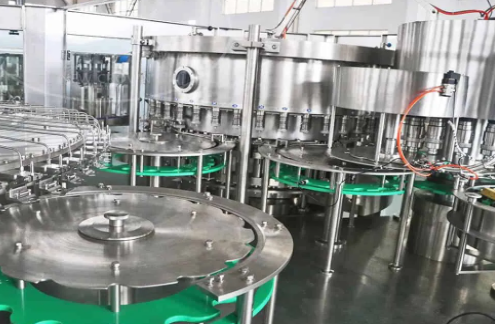
Snap on connectors and those handy knobs that just twist by hand can slash mechanical adjustment time during production line changes. We're talking about cutting it down by almost two thirds in some cases. Operators no longer need special wrenches or other equipment when they want to adjust capping heads or move around conveyor guides. The whole process takes less than ten minutes now. According to recent research published last year on packaging efficiency, these quick release bottle grippers really make a difference too. They brought down average changeover times dramatically from 45 whole minutes down to just 12 minutes whether working with PET bottles or glass containers. That kind of speed saves money and keeps production flowing smoothly.
Standardizing Mechanical and Accessory Adjustments Across Multiple Bottle Formats
Uniform protocols for neck grippers, filler nozzles, and capping torque settings create repeatable processes in multi-specification environments. By standardizing dimensional tolerances and alignment parameters, manufacturers achieve 22% faster changeovers when switching between 200ml and 1L bottles. This approach reduces training needs and maintains ±1% fill accuracy across container variations.
Synchronizing Tooling, Personnel, and Spare Parts Ahead of Changeover
Predictive scheduling stages compatible cap feeders, bottle guides, and sanitized filler components before planned transitions. Cross-functional teams trained in standardized procedures complete format switches 35% faster than unstructured approaches, according to the Food Manufacturing Efficiency Report 2024. Real-time inventory tracking ensures 98% parts availability, minimizing delays in high-frequency production environments.
Data-Driven Optimization of Changeover Performance in Blowing Filling Capping Lines
Documenting each step to improve future format changeover times
Systematic documentation of line adjustments reduces subsequent setup times by 18–27% in multi-format operations. Tracking alignment tolerances, torque values, and wear patterns creates benchmarks for future changeovers. Facilities using digital shift logs and video recordings achieve 22% faster repeat setups compared to those relying on manual notes.
Using data from past changeovers to predict maintenance needs
The machine learning models look at thousands of past changeovers and can spot when bearings in those rotary capping heads are about to fail. They've got around 89% accuracy on this stuff, sometimes giving warnings as much as three days ahead of time. What these systems do is connect those sudden jumps in motor current during transitions to problems that happen later with the sealant pumps. Maintenance folks then swap out the parts most likely to cause trouble while everything else is already down for regular maintenance. According to the latest Process Efficiency numbers from 2024, this approach keeps almost all unexpected shutdowns at bay in carbonated drink production lines, preventing roughly 9 out of every 10 potential stoppages.
Improving long-term changeover performance through documentation and analytics
Aggregated changeover data identifies high-impact optimizations:
| Metric | Optimization Impact |
|---|---|
| Conveyor height alignment | Reduces bottle jams by 41% |
| Capper pre-heat duration | Improves seal consistency by 33% |
| Air pressure variance | Accounts for 68% of fill volume errors |
Cross-referencing this data with maintenance records enables engineers to standardize the 20% of adjustments responsible for 80% of performance gains across blowing filling capping operations.
SUZHOU NEW CROWN MACHINE CO., LTD.'s Integrated Approach to Fast Changeover Systems
Case study: SUZHOU NEW CROWN MACHINE CO., LTD.'s solution for multi-specification blowing filling capping
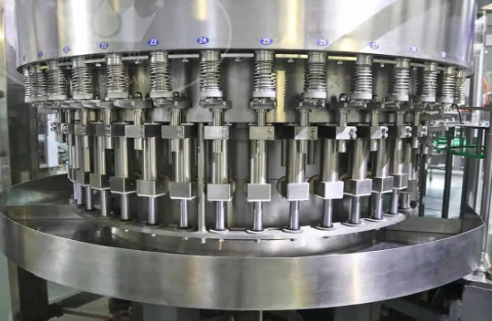
At SUZHOU NEW CROWN MACHINE CO., LTD., they tackle all sorts of specification issues with their modular system approach. These systems blend tool-free adjustments together with central recipe management, making things much simpler for operators. The company's integrated production lines work with standard parts across over fifty different bottle sizes ranging anywhere between 100 milliliters right up to 5 liters. What makes this really impressive is how quickly they can switch between sizes - typically less than eighteen minutes needed without having to manually adjust anything. When it comes to getting things aligned properly, their guided protocols keep positioning errors below seventy micrometers even when changing heights. And for caps? The machines automatically configure themselves for diameters anywhere from just millimeters all the way up to forty-five millimeters thanks to their smart programming capabilities.
Streamlining preparation and post-changeover validation with smart controls
When it comes to validation checks, automation cuts down on verification time significantly, around two thirds faster than what we see with manual inspections. Before making any changeovers, the system runs diagnostics to make sure everything is properly aligned and sensors are calibrated correctly. After the switch happens, there are tests done to check if fill volumes stay within that tight 0.5% window and whether capping torque falls between 2 and 6 Newton meters thanks to those built in load cells. Factory workers have noticed something interesting too - they're seeing about 22 percent fewer production hiccups since implementing this kind of closed loop quality control. Makes sense really, especially when plants need to handle fifteen or more different product variations each day.
FAQ
What is the impact of machine adjustability on blowing filling capping efficiency?
Machine adjustability can significantly reduce downtime and enhance production line speed by automatically adjusting to various bottle sizes and shapes, thus streamlining the process.
How do recipe-based controls benefit the production process?
Recipe-based controls automate crucial machine settings, reducing the time needed for changeovers by almost half while maintaining high accuracy across various container types.
What are some tools involved in tool-less format changes?
Quick-release connectors and tool-less components allow for rapid adjustments, significantly slashing mechanical adjustment time during line changes.
How does data-driven optimization improve changeover performance?
By documenting and analyzing changeover data, facilities can predict maintenance needs and optimize future performance, reducing setup times and preventing unexpected shutdowns.
Table of Contents
-
Machine Adjustability and Its Impact on Blowing Filling Capping Efficiency
- Understanding How Machine Adjustability Impacts Blowing Filling Capping Efficiency
- Using Power Height Adjustments and Measurement Guides for Precision Alignment
- Implementing Programmable Bottle Gating Systems for Quick Transitions
- Industry Benchmarks for Bottle Size Changeover Efficiency in Blowing Filling Capping Lines
- Recipe-Based Controls for Fast and Repeatable Changeovers in Blowing Filling Capping
- Blowing Filling Capping Equipment with Fast Changeover for Multi-Specification Bottles
- Data-Driven Optimization of Changeover Performance in Blowing Filling Capping Lines
- SUZHOU NEW CROWN MACHINE CO., LTD.'s Integrated Approach to Fast Changeover Systems
- FAQ