
 EN
EN



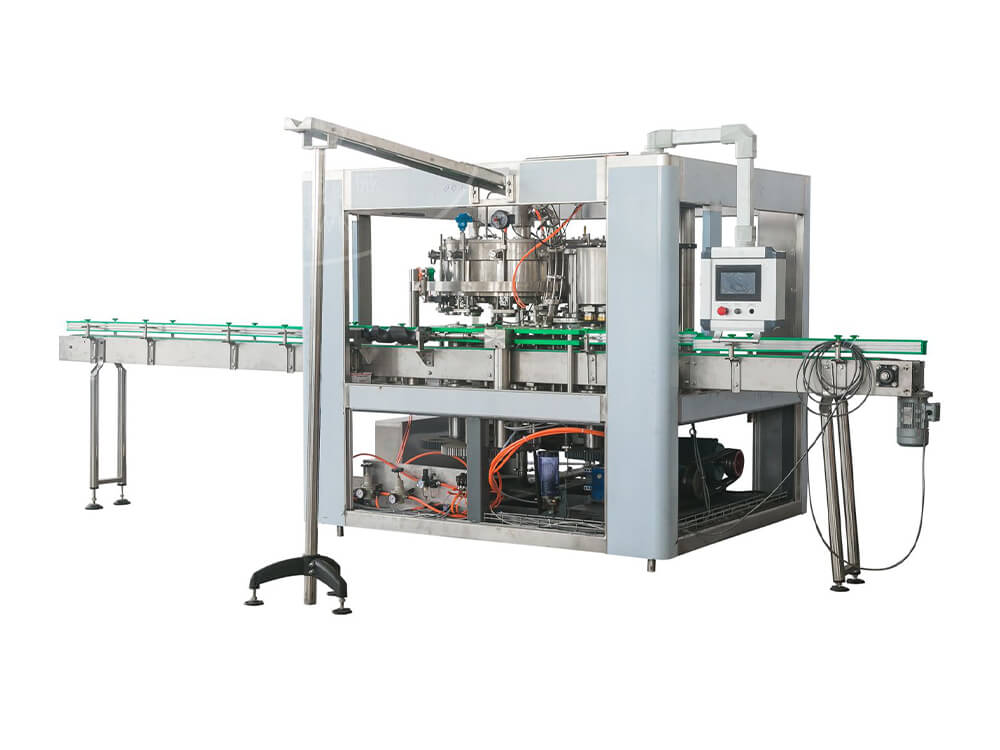
How Servo Motors Enable Precision in Blowing, Filling, and Capping
Principle of Servo Motor Control in Bottle Forming Accuracy
In blow molding applications, servo motors can hit around 0.1 degree precision thanks to their real time position sensing capabilities. These motors adjust rotational power about 200 times every second to keep the parison properly aligned during the process. The result? No more those uneven bottle walls that used to plague manufacturers because of gear backlash issues. Production losses from this problem dropped roughly 12 percentage points according to Packaging Machinery Report data from last year. What sets servos apart from old school stepper motors is how they handle material shrinkage when temperatures change during extrusion. This matters a lot when making PET bottles or HDPE containers where dimensional stability is absolutely essential for quality control.
Micro-Level Parison and Wall Thickness Control in Stretch Blow Molding
Modern servo control systems now manage parison thickness down to around 50 microns when stretching preforms, which helps spread materials evenly throughout complicated shapes such as bottles with handles. When these linear servos work together with infrared heating sections, manufacturers typically see wall thickness variations below 2%, marking a significant jump from older pneumatic approaches according to recent findings published in Blow Molding Technology Review last year. Such accurate control is actually critical for carbonated drinks packaging since these containers need to withstand pressures up to 8 bars without developing weak areas where leaks might occur.
Closed-Loop Feedback Systems Achieving 99.6% Bottle Consistency
When torque sensors work together with vision systems, they form these real time correction loops where servo motors can tweak blow pressure just 5 milliseconds after spotting changes in mold cavities. The results speak for themselves in pharmaceutical vial manufacturing, where dimensional issues drop dramatically from about 1.8% down to around 0.4%. These advanced multi axis servo setups handle no fewer than 32 different process factors at once ranging everything from how precisely the neck finishes to the exact angle of base push ups. All this ensures that production stays well within those strict ISO 9001:2015 standards most manufacturers strive to meet.
High-Speed Filling with Sub-Milliliter Accuracy Using Servo Technology
Today's servo driven filling systems can hit around plus or minus 0.5 ml accuracy when running over 400 bottles a minute. These machines not only meet all those tough regulations but also keep production numbers high. A look at FDA data from 2022 shows something interesting: almost all drug recalls happened because the fill amounts were off by less than 2%. That tiny gap is exactly what modern servo control systems eliminate. They constantly tweak themselves based on how thick the liquid is, what temperature it's at, and even changes in pipeline pressure throughout the day.
Servo-Controlled Filling Algorithms for ±0.5ml Precision at 400 BPM
These systems use real-time pressure compensation logic to maintain accuracy within 0.12% of target volumes even during turbulence, essential for carbonated beverages and foaming liquids. Closed-loop feedback corrects fill volumes in 15ms—20 times faster than human operators can detect errors.
Multi-Head Servo Filling Systems with Self-Diagnostic Capabilities
Eight-nozzle rotary fillers equipped with individual servo actuators deliver 3,200 fills per minute while performing sub-milliliter variance checks every 15 cycles. Embedded sensors detect nozzle wear or valve drift before errors exceed 0.3%, reducing corrective maintenance by 72% compared to gear-driven systems.
Calibration and Maintenance Protocols for Long-Term Accuracy
Top pharmaceutical manufacturers report a 99.4% year-one accuracy retention rate using automated daily calibration routines. Servo motors’ positional repeatability of ±0.01mm allows recalibration intervals up to 12 months—three times longer than traditional pneumatic fillers.
Consistent Sealing Performance with Servo-Driven Capping Systems
Precision Torque Control Across Diverse Cap Geometries
Servo driven capping machines can hit around 0.2 Nm of torque accuracy when working with over 15 different cap styles ranging from those tricky child resistant ones used in medicine bottles all the way down to standard 38mm caps for sports drinks. Pneumatic systems have issues because they rely on air pressure which fluctuates constantly. Servo motors work differently though they actually change how much force they apply depending on what kind of material the cap is made from and how the threads are shaped. According to research published by Zenith Filling in their 2023 packaging report, these systems cut down on sealing problems by roughly two thirds compared to traditional mechanical cappers. They also showed impressive results in testing for carbonated drinks where only about 0.2% had any kind of leak issues after being sealed.
Real-Time Torque Monitoring and Adaptive Capping Innovations
The combination of built-in strain gauges along with optical sensors checks how well seals hold up during operation, processing around 400 caps every minute. Meanwhile, those self adjusting chucks handle differences in cap size pretty well, working even when diameters vary by plus or minus 1.5 millimeters. When the system senses that something's not tight enough, it actually speeds up the spindle between 12 to 18 percent really fast, within just 50 milliseconds to stop whole batches from having bad seals. A major German drinks company saw real results from this kind of smart response. They managed to cut down carbon dioxide losses dramatically, going from losing about 6% down to under 1% on their 250ml plastic bottles according to research published last year.
Common Configurations of Automatic Servo Capping Machines
| Configuration | Speed Range | Cap Types Supported | Ideal Application |
|---|---|---|---|
| Rotary Servo Capper | 200–600 BPM | Screw-on, snap-fit, press-on | High-volume water bottling |
| Linear Servo Capper | 80–150 BPM | Pump sprays, dropper tips | Pharmaceuticals & cosmetics |
| Inline Hybrid Model | 150–400 BPM | ROPP crowns, tamper-evident | Craft beverages & sauces |
Rotary models dominate carbonated drink lines (72% market share), while linear systems are preferred in low-volume pharmaceutical packaging due to their ±0.05mm positional accuracy during vial capping.
End-to-End Synchronization via PLC and Servo Integration
Centralized PLC Control for Seamless Blowing, Filling, and Capping
PLC systems today handle the synchronization of blowing, filling, and capping operations through real time coordination of servo motor settings. These controllers can fine tune parison inflation to within about half a millimeter thickness while matching fill volumes to what the capping station can actually handle downstream. According to industry data from last year's automation report, this kind of dynamic control cuts down on material waste by roughly twelve percent when compared to older non integrated approaches. The closed loop feedback system keeps track of important variables like pressure levels between six and thirty five bars, along with temperatures ranging from one hundred forty to two hundred twenty degrees Celsius throughout every workstation in the line.
Integration with Labeling and Conveyance for Unified Workflow
PLC network systems actually bring synchronization capabilities to those secondary operations we often overlook, such as labeling tasks and conveyor belt movements. The servo driven grippers can tweak those labeling angles pretty fast too around 600 bottles every single minute. Meanwhile, these smart conveyor belts keep just right spacing between each container, about half a second apart from one another. What happens next is pretty impressive when looking at how PLCs work their magic. They send live position information straight to MES systems, which allows labels to land within about 1 millimeter of where they should be placed. And this works even when production lines switch formats at top speed, something that would normally cause problems for many manufacturers.
Predictive Maintenance: Reducing Downtime by 30% with Servo-PLC Networks
When servo-PLC systems get integrated into industrial setups, they open up possibilities for monitoring important parts like motor brushes and gearboxes based on actual conditions rather than fixed schedules. These smart systems look at how torque changes (with precision down to 0.05 Nm) along with temperature patterns across equipment. What makes this valuable is that it can spot potential bearing problems anywhere from 400 to 600 hours before they actually fail. Plants that have adopted this method are seeing around 23 percent reduction in unexpected shutdowns each year. The financial benefits are substantial too maintenance expenses fall by approximately $18k per production line after just three years of implementation. For manufacturers dealing with tight budgets and production deadlines, these savings make all the difference between profit margins and losses.
Industry Applications of Fully Servo-Driven BFC Lines
Servo-driven blowing-filling-capping (BFC) systems offer exceptional versatility by maintaining precision at scale. Modern servo networks achieve sub-2ms synchronization between production stages, allowing seamless handling of diverse container formats (5ml to 5L) without mechanical changeovers.
Food Industry: High-Speed Juice Bottle Production with Full Servo Control
Food-grade BFC lines with ISO 22000-certified servo motors fill 24,000 PET juice bottles per hour with ±1ml accuracy while adhering to strict hygiene protocols. Stainless steel servo actuators withstand high-pressure CIP (Clean-in-Place) cycles, reducing microbial contamination risks by 85% compared to pneumatic alternatives.
Pharmaceuticals: Meeting cGMP Standards with Precision Actuation
In pharmaceutical production, servo-driven BFC machines achieve 99.9% lot consistency using ASME BPE-compliant linear actuators that eliminate particulate generation. Closed-loop torque control ensures vial capping within ±0.05Nm tolerances—essential for maintaining sterility in injectable drug packaging.
Daily Chemicals: Adaptive Filling for Viscous and Sensitive Liquids
Servo systems automatically adapt filling parameters for liquids ranging from 50-cP hair serums to 20,000-cP industrial lubricants. Programmable acceleration curves prevent splashing during high-speed transfers, achieving 98% fill-level accuracy even with non-Newtonian fluids. Pressure-compensated servo pumps maintain ±0.3% viscosity stability across 8-hour production runs.
FAQ
What makes servo motors suitable for bottle forming accuracy?
Servo motors are suitable due to their real-time position sensing capabilities and ability to adjust rotational power about 200 times every second, ensuring precise parison alignment and minimizing production losses.
How do servo control systems benefit stretch blow molding?
They manage parison thickness down to 50 microns and ensure wall thickness variations below 2%, which is critical for carbonated drinks packaging to prevent weak areas and leaks.
What role do torque sensors and vision systems play in bottle consistency?
They form real-time correction loops with servo motors to tweak blow pressure quickly, resulting in significant reductions in dimensional issues and compliance with ISO 9001:2015 standards.
How accurate are servo-driven filling systems for high-speed operations?
They can achieve plus or minus 0.5 ml accuracy at speeds over 400 bottles per minute, eliminating fill amount errors and meeting strict regulatory requirements.
Why are servo-driven capping systems preferred over pneumatic systems?
Servo-driven systems offer precision torque control across diverse cap geometries, adapting to cap materials and shapes to reduce sealing problems significantly.
How does PLC integration enhance manufacturing processes?
PLC systems synchronize operations for blowing, filling, and capping, reducing material waste and ensuring consistent production quality through closed-loop feedback.
Table of Contents
- How Servo Motors Enable Precision in Blowing, Filling, and Capping
- High-Speed Filling with Sub-Milliliter Accuracy Using Servo Technology
- Consistent Sealing Performance with Servo-Driven Capping Systems
- End-to-End Synchronization via PLC and Servo Integration
- Centralized PLC Control for Seamless Blowing, Filling, and Capping
- Integration with Labeling and Conveyance for Unified Workflow
- Predictive Maintenance: Reducing Downtime by 30% with Servo-PLC Networks
- Industry Applications of Fully Servo-Driven BFC Lines
-
FAQ
- What makes servo motors suitable for bottle forming accuracy?
- How do servo control systems benefit stretch blow molding?
- What role do torque sensors and vision systems play in bottle consistency?
- How accurate are servo-driven filling systems for high-speed operations?
- Why are servo-driven capping systems preferred over pneumatic systems?
- How does PLC integration enhance manufacturing processes?