
 EN
EN



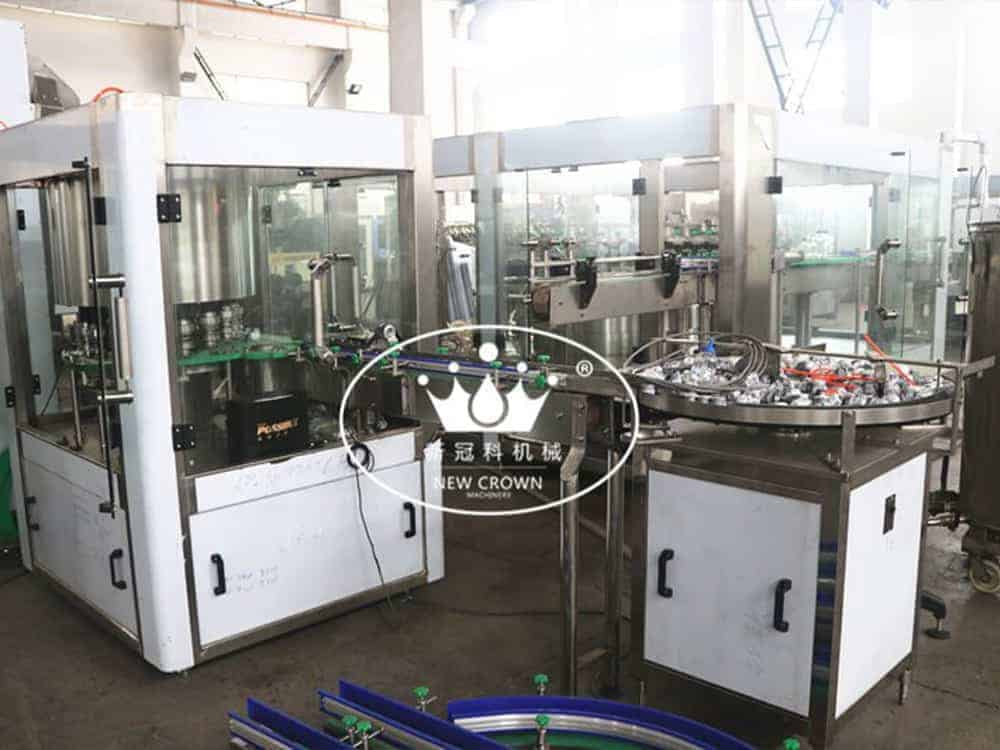
The Evolution and Integration of Blowing Filling Capping Systems
Historical Development of Blow-Fill-Seal Technology
Blow-fill-seal (BFS) tech first appeared back in the 1960s when manufacturers needed ways to make sterile containers for medicines and other sensitive products. Fast forward to the 80s, clever engineers started applying this technique to PET materials, merging three separate steps - making the plastic, forming bottles, and filling them without contamination - all within one continuous operation. The early versions saved about 90% on materials versus old fashioned glass containers according to Packaging World from 2021, even if they took around 15 to 20 seconds per unit to complete. What these initial systems accomplished was pretty remarkable, setting the stage for today's much faster production lines that handle thousands of units every hour.
Integration of Blow Molding, Filling, and Capping in One System
Modern blow fill cap systems handle three main processes all at once: making bottles from melted plastic, getting just the right amount of liquid into each container, and putting on those caps with controlled tightness. These machines run on servo motors and can complete a full cycle in about 0.8 seconds, keeping the fill levels pretty much spot on within half a percent variance. Some recent research looking at how caps are applied showed something interesting - when companies use automatic torque monitoring instead of separate capping units, they actually waste 23% less product. The big players in this field typically manage to keep their machines running almost non-stop, hitting around 98% uptime thanks to clever combinations of mechanical parts working alongside electronic controls during both the cooling phase of molds and when dispensing liquids.
Transition from Standalone Machines to Fully Automated Packaging Lines
Switching to integrated blowing, filling and capping systems has cut down on energy use by around 40% for every thousand bottles produced, plus it brings down labor expenses by about 58%, according to the latest packaging automation report from 2023. These new setups take up roughly 35% less factory floor area compared to older separate machines because they stack blow mold towers right above the filling carousel equipment. Looking at return on investment data from last year, most facilities get their money back on automation upgrades within just 18 months. How? Faster production rates reaching up to 72k bottles an hour, less wasted materials during manufacturing, and far fewer people needed to check product quality manually. What's more, these consolidated systems let operators tweak things like bottle wall thickness and how tight caps are applied through central control panels. This means factories can adjust resources better between different production runs without wasting time or materials.
Core Automation Principles in Blowing Filling Capping Technology
Synchronization of Extrusion, Blowing, Filling, and Capping Stages
Today's advanced packaging systems can align container shaping with liquid filling down to about half a millimeter accuracy, thanks to those fancy timers and infrared sensors we've been seeing everywhere lately. According to Packaging Automation Review last year, these automated setups cut down waiting periods between production steps by roughly three quarters when compared to what humans could manage manually. And here's another benefit nobody talks about much real time monitoring keeps those plastic bottle blanks moving smoothly from the blow molding station right into the sterile filling area, so there's no chance of anything getting contaminated along the way.
Role of Servo-Driven Mechanisms in High-Speed Blowing Filling Capping Operations
Servo motors achieve 98% energy efficiency in cyclic operations, outperforming traditional pneumatic drives by 40% in acceleration/deceleration rates (Industrial Automation Journal 2023). Programmable Logic Controllers (PLCs) adjust line speeds from 12,000 to 24,000 bottles/hour within 3-second intervals, maintaining stability during viscosity changes or container size transitions.
How Automation Enhances Precision in Container Manufacturing and Filling
Vision-guided robots achieve 99.8% cap alignment accuracy, reducing leakage incidents to <0.02% in bottled water lines. Torque-controlled capping heads apply 8–25 Nm forces with ±1.5% variance, validated by inline force sensors that reject defective seals. This automation level eliminates manual calibration errors responsible for 63% of production stoppages in semi-automated systems.
Efficiency, Cost-Effectiveness, and ROI of Integrated Systems
Benefits of Automated Integrated Packaging Processes for Cost Reduction
The latest blowing filling capping systems can cut down on operational expenses anywhere from 30 to 40 percent simply because they make things run smoother without all those tedious manual transfers between separate machines. When manufacturers combine the processes of blow molding, filling, and sealing into one continuous operation, they end up wasting less material and burning through less energy overall. According to a recent study from the packaging sector back in 2023, companies using these integrated production lines reported getting their machines running at 99.2% uptime versus just 89% for older setups with multiple disconnected units. That kind of reliability adds up fast financially speaking too, with mid size bottling operations saving around $2.8 million each year when switching over to this more efficient approach.
Energy and Labor Savings in Advanced Blowing Filling Capping Lines
Servo-driven mechanisms cut energy use by 25% compared to hydraulic systems, while automated quality checks reduce staffing needs by 60%. One beverage producer reported saving $420k/year in labor costs after replacing three manual stations with a unified blowing filling capping line.
Space Utilization Optimization in Modern PET Production Lines
| Layout Approach | Floor Space Requirement |
|---|---|
| Traditional Lines | 1,200 sq. ft. |
| Integrated Systems | 680 sq. ft. |
Vertical integration and modular designs let facilities reclaim 35–40% of production area for additional lines or warehouse expansion.
High Initial Investment vs. Long-Term ROI: Resolving the Cost Paradox
While integrated blowing filling capping systems require 50–70% higher upfront costs, payback periods average 18–24 months. A 2024 ROI study showed automation-driven yield improvements and 24/7 operation capabilities deliver 3–5x lifetime returns over decade-old equipment.
Technological Innovations Driving Modern Blowing Filling Capping
Innovations in Aseptic Processing Within Blowing Filling Capping Systems
Today's advanced packaging systems combine UV-C light sterilization with plasma barriers to knock down microbes at an incredible rate of nearly 99.999% while blowing and filling happens all at once. This means PET bottles can stay sterile for anywhere between 18 to 24 months without needing any preservatives added, which is really important stuff for things like medicine packaging and milk products where contamination just won't do. Manufacturers have also started using closed loop nitrogen systems that keep oxygen out during those fast paced capping processes, something that makes a big difference in product quality over time.
Smart Sensors and Real-Time Monitoring for Quality Control
Modern vision systems powered by IoT technology are monitoring over 35 different quality factors at once these days. They check everything from how thick the walls of bottles are (with a tolerance of plus or minus 0.05 mm) all the way down to whether caps are tightened properly within the 1.2 to 2.0 Newton meter range. These smart machines can look at more than 4,000 containers every hour and will tweak the pressure settings on their own whenever they notice something off about the material's consistency. The result? Factories waste about 27 percent less product overall compared to older methods according to last year's packaging automation study. That kind of efficiency makes a big difference in manufacturing costs over time.
AI and Predictive Maintenance in Modern Packaging Systems
The neural network systems handle over 15,000 operational data points every hour and can spot potential bearing failures up to three days before they happen. This early warning system has slashed unexpected downtime by around 60% in factories running nonstop production lines. When it comes to sealing different types of caps, the adaptive torque control makes automatic adjustments based on what material is being used. Whether dealing with HDPE, polypropylene or aluminum closures, these systems keep seals intact even when materials vary from batch to batch. For energy efficiency, the system constantly monitors and adjusts power usage throughout the day. Plants operating round the clock have seen roughly 18% reductions in their electricity bills thanks to these smart optimizations.
Material Efficiency and Lightweighting in Plastic Container Manufacturing
New PET strain-hardening formulations allow 22% material reduction while maintaining ISO 22000 food safety compliance. Advanced servo controls enable precise parison programming, eliminating 93% of trimming waste in wide-mouth container production. Recycled material compatibility has tripled since 2022 through multi-layer co-extrusion innovations, with 95% of post-industrial regrind now usable in structural layers.
Applications and Future Trends in PET Packaging Automation
Dominance of Blowing Filling Capping in Beverage and Food Container Production
Blown filling capping systems have taken over about 82 percent of the worldwide PET container market for drinks and ready meals, mainly because they can churn out around 24 thousand bottles each hour with just half a percent variance in fill levels. What really makes these systems stand out is how well they work with all sorts of bottle shapes, whether it's those squeezable ketchup bottles or the fizzy soda containers we see everywhere. Plus, they keep oxygen levels below one part per million during sealing, which matters a lot when preserving food products that spoil easily.
Case Study: Implementation in Bottled Water Production Lines
A recent bottled water plant retrofit using integrated blowing filling capping systems achieved:
- 38% energy savings through heat recovery in blow molding stages
- 22% faster line speeds (12,000 – 14,600 bottles/hour)
- 0.2% material waste via AI-controlled parison optimization
These improvements align with PET market trends where 68% of manufacturers now prioritize sustainability in packaging line upgrades (Hilden Market Report 2024).
Scalability Through Modular Blowing Filling Capping Units
Leading manufacturers now offer modular units that enable:
- Capacity scaling: 5,000 – 50,000 bottles/hour through parallel processing
- Format flexibility: 83% faster changeovers between 250ml–5L containers
- Hybrid operations: Simultaneous production of HDPE and PET containers
This modularity reduces capital expenditures by 34% for mid-sized producers entering Asian markets (2024 Flexible Production Survey).
Future Outlook: Smart Factories and IIoT Integration in Blow-Fill-Seal Lines
What's coming next are these smart systems powered by industrial IoT technology. Think about vibration sensors that can spot when molds are wearing out three days before they actually fail. Cloud platforms now automatically tweak blowing parameters based on over fifty different humidity conditions across regions. And there's even blockchain tech tracking resin from production all the way to finished pallets. Looking at industry predictions, around forty percent of blow fill seal operations should be using machine learning for predictive maintenance by mid-2026. This would cut down unexpected equipment stoppages to less than one point two percent each year according to most analysts.
FAQ Section
What is Blow-Fill-Seal (BFS) technology?
BFS technology involves the creation, filling, and sealing of containers in a sterile environment, originally designed for pharmaceuticals but later adapted for PET materials.
How does integration of blow molding, filling, and capping benefit production?
Integration improves synchronization, reduces wait times, and maintains sterility, resulting in higher efficiency and reduced contamination risks.
What are the main advantages of automated packaging lines?
Automated lines offer efficiency with reduced labor costs, energy savings, and faster production rates, making them cost-effective and space-efficient.
How does automation impact quality control?
Automation ensures high precision in container manufacturing and filling, reducing leakage incidents and production stoppages by eliminating manual errors.
What future trends can we expect in blowing filling capping systems?
Integration of IoT and machine learning will enable predictive maintenance, enhance efficiency, and reduce unexpected downtime through smarter factory setups.
Table of Contents
- The Evolution and Integration of Blowing Filling Capping Systems
- Core Automation Principles in Blowing Filling Capping Technology
- Efficiency, Cost-Effectiveness, and ROI of Integrated Systems
- Technological Innovations Driving Modern Blowing Filling Capping
- Applications and Future Trends in PET Packaging Automation